Minutes lost before a reaction starts can remain invisible beside a clearly displayed instrument timer. In avian influenza testing, a specimen may require clarification, preparation or further review even when amplification itself proceeds as expected.
Upstream and downstream decisions accompany testing with an avian influenza test kit. Examining avoidable returns to earlier tasks gives laboratory teams a practical efficiency question: which preparation or decision remained unfinished when the material moved forward?
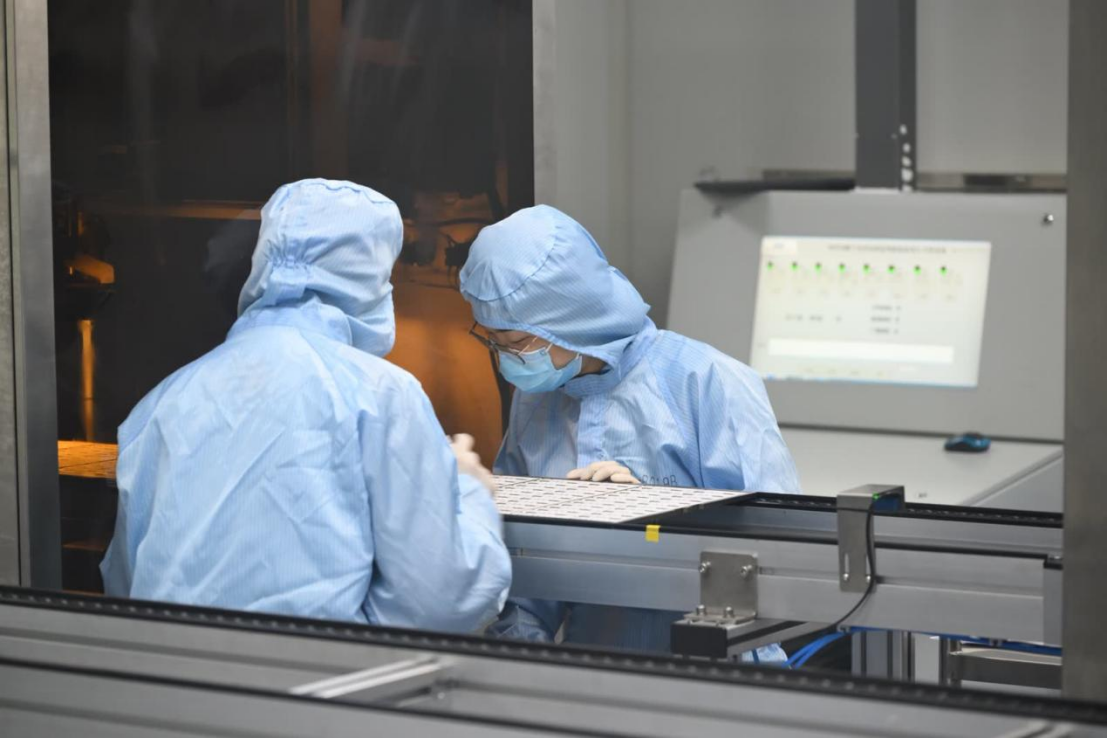
Locate the Work That Returns to an Earlier Stage
Receipt, extraction, reaction assembly, amplification and result review leave different records. A returned request belongs to a different kind of delay from an instrument awaiting prepared material. Separating these events reveals whether the laboratory is repeating a task, waiting for a decision or performing the original analytical procedure for the first time.
A request labelled ‘PCR test avian influenza‘ still needs a specific specimen description and target assignment before preparation. Clarifying those details at receipt avoids carrying an unresolved question into extraction or reaction setup. The label identifies a general testing intention; the laboratory’s assigned method determines which material and subtype questions can enter the procedure.
The operating record for an avian influenza test kit can link each interruption to its cause and eventual resolution. Missing identity information, an unsuitable specimen and an analytical problem call for different responses. Counting all three as a single category of slow PCR would hide the task that actually needs correction before testing can continue.
Complete Eligibility and Setup Checks Before Commitment
A discrepancy discovered after reaction preparation has already consumed more work than the same discrepancy resolved at receipt. Eligibility checks can establish the proposed specimen, assigned method and available materials before the sample is committed to that preparation. Such checks address the order of decisions; they do not claim that any particular kit automatically prevents human error.
For a request recorded as ‘PCR test avian influenza’, readiness includes knowing which subtype findings are required and whether the submitted material fits the chosen assay. The assessment can then follow the sample into an appropriate extraction route. Prepared template needs to suit amplification, since carried-over inhibitors or degraded RNA can undermine an otherwise correctly assembled reaction.
A preparation record can also identify which material remains available if another analytical attempt becomes necessary. An aliquot of an existing extract and a newly prepared extract represent different repeat tasks, with different preceding operations.
Naming the material needed for the decision prevents an undefined instruction to repeat from automatically becoming a request to start the entire procedure again. The responsible reviewer can determine the appropriate next step under the established method and instructions.
Process monitoring is included in the BioPerfectus Avian Influenza Virus (H5/H7/H9) Real-Time PCR Kit through an internal control. Human nasopharyngeal and oropharyngeal swabs provide material for qualitative differentiation of the included H5, H7 and H9 RNA. Those specimen and target details give the preparation review a defined analytical task to support.
Give the Testing Interval a Defined Meaning
The published testing interval describes the assay operation, leaving receipt and reporting as separate parts of the service. A laboratory can record those parts independently without changing the analytical programme. Distinguishing scheduled work from time spent resolving exceptions makes the local record more informative than a single total that conceals why a specimen remained unfinished.
A 79-minute testing time belongs to the BioPerfectus H5/H7/H9 panel, whose stated sample input is 5 µL. Delays before reaction initiation belong in the local interruption record instead. The input also refers to the reaction, so it cannot replace the specimen collection volume or the amount required by a separate extraction method.
During a run, preparation for subsequent work may be possible where staffing, workspace and the approved procedure permit. The opportunity needs assessment under actual operating conditions, including tasks that cannot safely overlap. Recording which activity ran concurrently shows whether time was used differently, without assuming that every minute of instrument operation was available for another task.
Measure Completion After the Finding Is Accepted
The review queue can grow even after all scheduled reactions have finished. Target observations, control acceptance and any unresolved qualification still need an interpretation under the method. Assigning a clear review responsibility and recording the reason for a hold makes the outstanding decision visible, instead of treating a completed instrument run as a completed laboratory report.
An avian influenza test kit evaluation can distinguish original attempts from additional work prompted by an unacceptable procedure. For the BioPerfectus panel, the internal control contributes process evidence alongside H5, H7 and H9 observations. Its presence does not itself eliminate repeats; interpretation and any further action remain governed by the assay’s applicable rules.
The final record attached to ‘PCR test avian influenza’ can retain the assigned assay, specimen identity, accepted target finding and relevant qualification. Comparing unresolved requests with their recorded causes identifies recurring work that requires a specific correction. A procedural problem then remains traceable to its resolution instead of being hidden within an ordinary negative result count.
Local improvement starts with the tasks that repeatedly prevent completion. Resolving eligibility before preparation, examining unsuccessful attempts and giving held results an identifiable decision can reduce undefined work without inventing a faster analytical programme. The next improvement to investigate is the interruption that the laboratory’s own records show occurring again.