Power equipment depends on rubber insulation components that control electrical and environmental exposure. Long-rod insulators, hollow-core parts, arresters, cable accessories, and switchgear components differ in geometry and material volume. For these applications, rubber injection molding for power industry work requires a process matched to each product family.
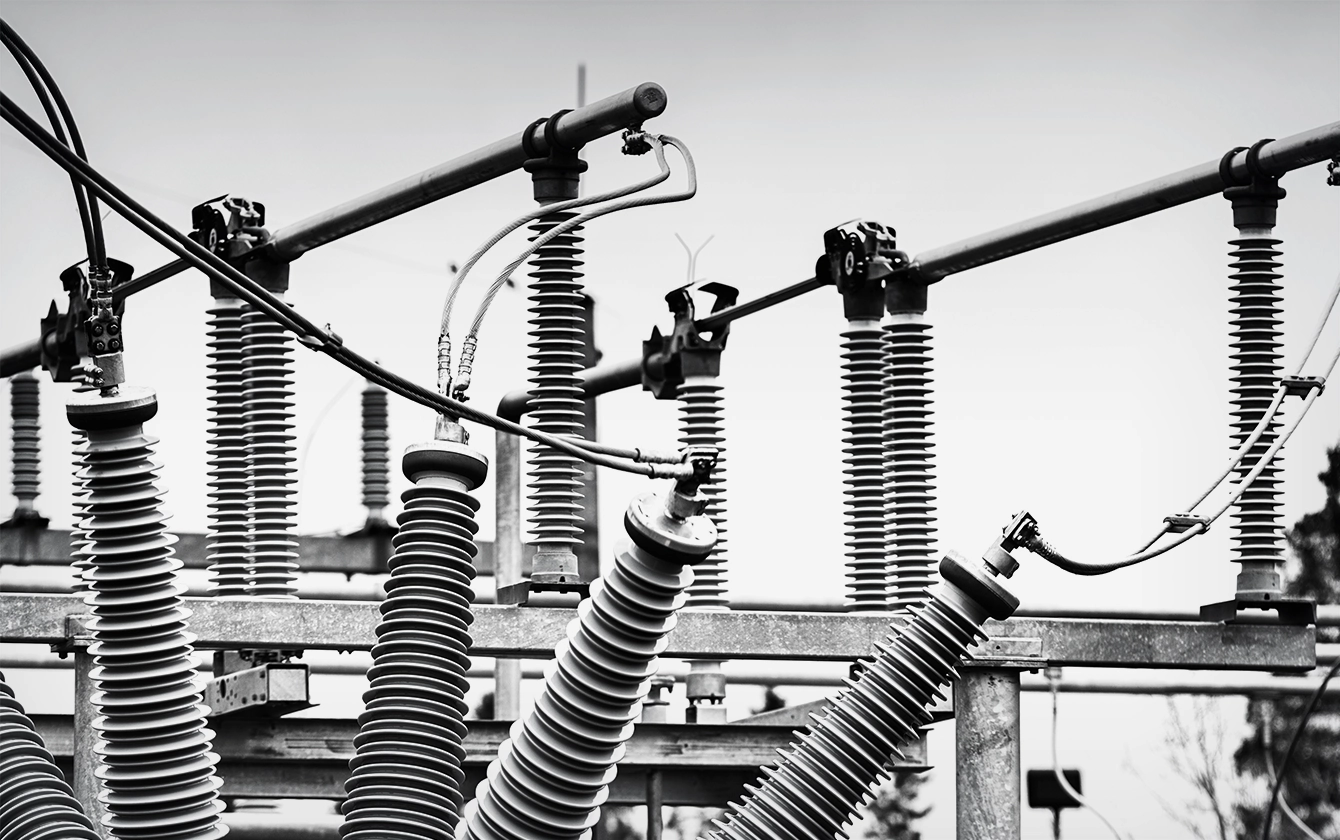
Injection mold rubber production becomes stable when compound preparation, injection, clamping, mold temperature, pressure holding, and cure time remain inside verified ranges. Automation can repeat the sequence, but it cannot compensate for an incorrect material batch, damaged mold, or unsuitable machine configuration.
Platform choice begins with the component
Large high-voltage parts may need substantial shot capacity and platen space. Long HTV components may benefit from top-opening access, while general insulators can use a configuration designed for simpler handling. Part drawings and process requirements must lead the selection.
For power-insulation production, Dekuma assigns RA, RT, or RI equipment according to component geometry, material, shot volume, and mold access. RA machines address large silicone rubber and EPDM insulation components. RT systems focus on long HTV silicone parts, while RI designs support general insulators and other long rubber products.
Within Dekuma’s portfolio, rubber injection molding for power industry production can be assigned to RA, RT, or RI equipment according to component length, injection volume, mold access, and vulcanization method. Qualification is required to examine results from different mold zones, because an overall average can conceal a local filling, temperature, or cure weakness in a long insulation part. The zone-level record also guides targeted correction.
The proposal needs to compare injection volume, pressure, clamping force, opening stroke, mold size, and layout with the actual tool. Oversizing can increase cost and energy. Insufficient capacity can leave little margin for material or environmental variation.
Handling requirements also influence platform fit. Inserts, cores, finished-part weight, and inspection access determine whether top opening, three-side access, or a dual-station arrangement adds measurable value.
Prepared material controls filling behavior
An injection mold rubber process may use silicone rubber, HTV silicone, or EPDM according to the component. Each compound has distinct feeding, thermal, flow, and curing behavior. Material identity and preparation must be traceable.
Optimized plasticizing, homogenization, and degassing can support consistent delivery and reduce trapped air. Mold vents and injection sequence remain necessary because air must leave long or complex cavities as the material advances.
Pressure and speed is expected to be established through filling studies and finished-part evidence. More pressure cannot permanently correct a cold region, restricted gate, poor vent, or variable compound. Part weight and regional inspection help reveal the actual cause.
Starts, stops, and material changes require defined release rules. Residence time or temperature history may differ after an interruption. First-off samples must confirm that stable conditions have returned before unrestricted production resumes.
Clamping and heat sustain vulcanization
Long pressure-holding periods may be required for components made through rubber injection molding for power industry applications. Hydraulic stability, locking, alignment, and force distribution must remain dependable throughout cure. A timer alone does not prove that the required mechanical condition was maintained.
Uniform mold temperature matters across the full component. Distributed measurements can identify zones outside the target range. Heaters, sensors, insulation plates, circulation, and contact surfaces should be checked after maintenance and when cure results shift.
Recipe control preserves validated pressure, position, temperature, and time settings. Access should be limited by role. Authorized revisions need a reason, effective date, and sample result so the production baseline remains understandable.
Application-specific tests should complement visual and dimensional inspection. Surface appearance may not reveal internal cure or insulation performance. Sampling plans should reflect product risk and include different mold locations and production intervals.
The measurement system should be qualified for the required tolerances. Fixtures, gauges, test leads, and operator methods can introduce variation that resembles a molding problem. Controlled references provide a check on inspection consistency.
A sustained acceptance run should extend beyond warm-up and include normal material replenishment and operator activity. Short demonstrations may miss heat accumulation, pressure drift, or handling delays that develop during a full shift.
After maintenance, the release procedure should confirm sensor calibration, mold alignment, heating distribution, and hydraulic response. Recorded first-off results establish that the validated process has been restored.
Capacity planning must include cure, loading, removal, testing, and changeovers. Improving injection speed alone provides little benefit when another step controls total accepted output.
Lifecycle discipline prevents gradual drift
Preventive maintenance should cover injection components, hydraulics, clamping, mold locks, guides, sensors, heaters, and handling devices. Alarm patterns and response trends may show wear before the machine stops. Critical spares should be identified by lead time.
Process records should connect compound lot, mold, recipe, pressure, temperature, cure, alarms, maintenance, and inspection. This history allows engineers to separate material, mold, machine, and operating causes instead of changing several variables simultaneously.
Platform selection establishes the starting point for injection mold rubber production; maintained recipes, tooling, and machine condition determine whether that stability lasts. When material preparation, filling, clamping, heat, testing, and maintenance remain connected, automated equipment can support reliable insulation output over long campaigns.
Reviews of energy, scrap, test failures, maintenance hours, and accepted output should follow each major campaign, showing whether stability is improving and identifying the next justified corrective priority.