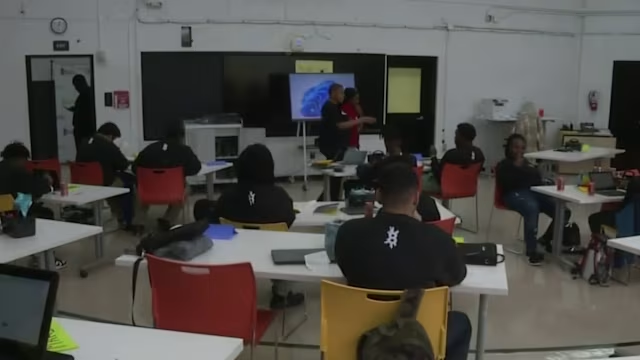
At first, missing school could seem insignificant. A few days here, a class missed there. However, in Kansas City, it might result in truancy court, which is where things change. Punishment is not the only issue here. It involves identifying the issue and resolving it. This is the concept underlying initiatives like those that Beyond the Bench KC supports. Instead of just regulations, they concentrate on actual causes. What really takes place in truancy court, then? Allow me to guide you through it.
Really, What Is Truancy Court?
Repeated absences from school without a good excuse are handled by truancy court. We are not discussing a sick day. This persistent absence is troubling. Consider it a checkpoint. “Why is this student missing school?” the machine asks after pausing. Sometimes it’s straightforward—health issues, family stress, or transportation problems. It’s deeper at other times. Fear. bullying. even issues with housing. The court looks for the whole picture. not only the record of attendance.
How Cases Typically Begin
The majority of truancy cases don’t start in court. Schools are the first to attempt. They might:
- Give parents a call.
- Write cautionary letters
- Call staff meetings.
- Provide assistance
The case may proceed if the number of absences continues to rise. The court becomes involved at that point. Indeed, it might feel very serious. since it is. However, the journey is far from over.
Prior to Entering Court
This is the aspect that many families are concerned about. You’ll probably receive a message. It outlines expectations and the date of the hearing. Don’t disregard it; thoroughly read it. Prior to the hearing, parents and students may also meet with court officers or school personnel. These gatherings are important. They offer you an opportunity to describe the situation. Bring anything useful:
- Notes on medicine
- Academic records
- Evidence of hardship
It’s not about making an impression. It’s about plainly stating your position.
What Takes Place in the Courtroom?
Courtrooms can be daunting, let’s face it. Silent. formal. A little tense. However, truancy court frequently has a different vibe. Typically, the judge addresses the student personally. In a clear, forceful tone, without being unpleasant. Yes, they want answers, but they also want to be honest. You may hear inquiries such as:
- “What is the reason behind your absence from school?”
- “What is preventing me from attending?”
- “What kind of assistance do you require?”
Parents may also be questioned about their responsibilities. That is typical. The problem is that regulations aren’t the only thing at stake. It’s about finding answers.
Potential Results (It’s Not One-Size-Fits-All)
Every case is unique. The circumstances determine the results. Typical outcomes include:
1. Plans for Attendance
The court may establish certain objectives. Attend class every day. Check in with the employees. Maintain steady development.
2. Assistance Services
Students may be directed to community activities, counseling, or mentorship.
3. Observation
The case can remain unresolved for some time. Over time, the court keeps track of attendance.
4. Legal Repercussions (Rare)
Penalties may be imposed if problems persist without effort. However, this is typically the final stage. Therefore, while there are repercussions, the emphasis remains on progress.
The Role of Specialty Courts
Now, this portion is more important than most people realize. These kinds of cases are frequently supported by programs associated with Kansas City Specialty Courts. They consider more than just attendance figures. They inquire:
- Is the pupil secure at home?
- Are there issues related to mental health?
- Does the family require any resources?
This strategy is made more well known by groups like Beyond the Bench KC. They advocate for long-term transformation rather than band-aid solutions. It’s a change in perspective. To be honest, it works better for a lot of families.
The Role of the Parent (Yes, It’s Big)
Here, parents are more than simply spectators. They participate in the procedure. Courts anticipate that parents will:
- Continue to participate in school communications
- Encourage the development of improved routines
- Encourage attendance objectives
It may feel like pressure. However, it’s also an opportunity to start over. Even minor adjustments, such as a consistent morning routine, can have a significant impact.
A Brief Reality Check
“It’s just school attendance,” you may think. However, such is rarely the case. Truancy frequently indicates more serious problems. And disregarding it? Later on, that just makes things more difficult. Court does sound frightening. However, it can also be a pivotal moment.
FAQs Regarding the Truancy Court in Kansas City
1.What does Kansas City consider to be truancy?
Frequent unjustified absences from school are referred to as truancy. Limits are imposed by each district, but trends are more important than isolated incidents. The school may file a report if a student consistently misses class without good cause.
2.If a youngster truants, can parents face consequences?
Yes, in certain situations. If parents don’t make sure their children attend, the courts might hold them accountable. Nevertheless, the emphasis is typically on assisting families in improving rather than immediately punishing them.
3.Do students require legal representation in truancy court?
Not all the time. A lot of instances involving truancy are handled without attorneys. However, if the situation seems complicated or if there are potential fines, families can consult a lawyer.
4.What happens if my child has health problems or anxiety?
Inform the court. If you can, bring documentation, such as medical records, school reports, or advice from a counselor. Courts may modify expectations or provide assistance because they take these concerns seriously.
5.How can we stay out of court again?
It’s important to be consistent. Attend class on a regular basis, adhere to any court orders, and maintain contact with instructors. If issues arise, communicate as soon as possible. Waiting frequently exacerbates the situation.
Concluding Remark
Attendance records are only one aspect of truancy court. It is about individuals, including parents, students, and everyday challenges. And occasionally, it’s in that courtroom that things finally begin to turn around.